|
|
PHOTOGRAPH BY FEUDI DI SAN GREGORIO WINERY
|
|
|
By George Stone, TRAVEL Executive Editor
The good news: Europe is on the itinerary, once again, for American travelers. You can hop the pond to Paris, get an eyeful of the Eiffel, grab your baguette and go see Francois Pinault’s fabulous art collection at Bourse de Commerce.
But before you can say au revoir...you’ll need a few things: perspicacious planning, risk tolerance (a positive COVID-19 test result before departure would guillotine your gallivanting, so consider travel insurance, says the Wall Street Journal), and attention to the dangerous Delta Plus variant. Mon dieu.
The best advice is to stay flexible. “For European countries, the invite to U.S. tourists comes with caveats: Please visit, but know that rules and restrictions could change at any time,” writes Vicky Hallett, who recently reported on what to expect—and how to navigate pandemic precautions—in France, Spain, Italy, and Greece.
In Rome, what’s old is new again. You can see the circa-28 B.C. Mausoleum of Augustus, the largest circular tomb in the world, which reopened in April after extensive restoration.
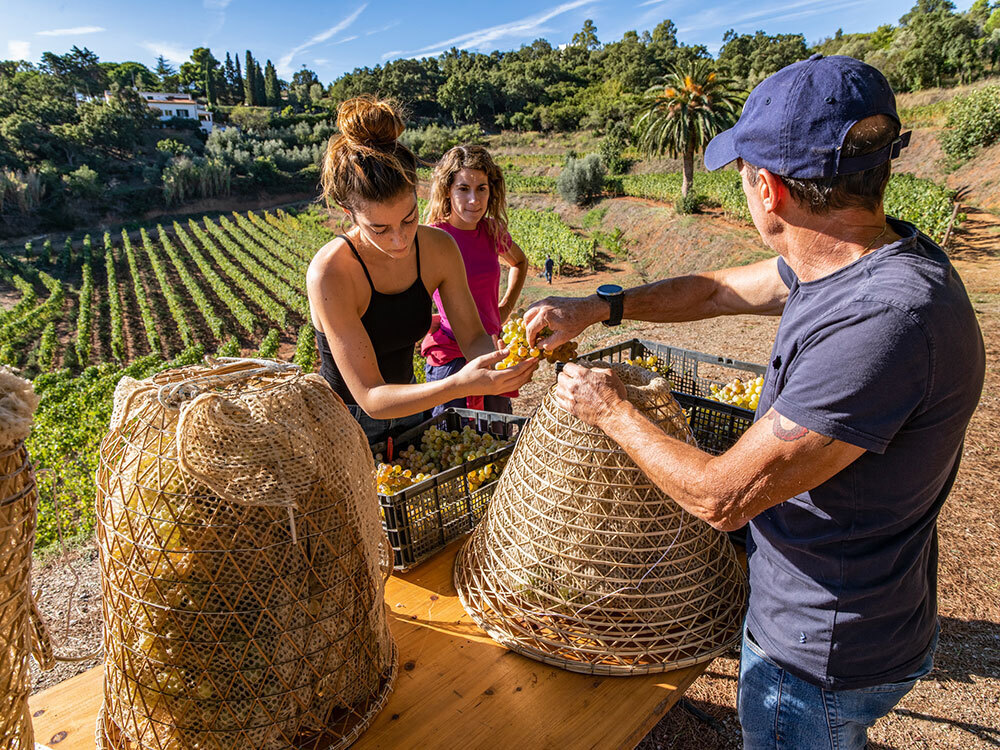
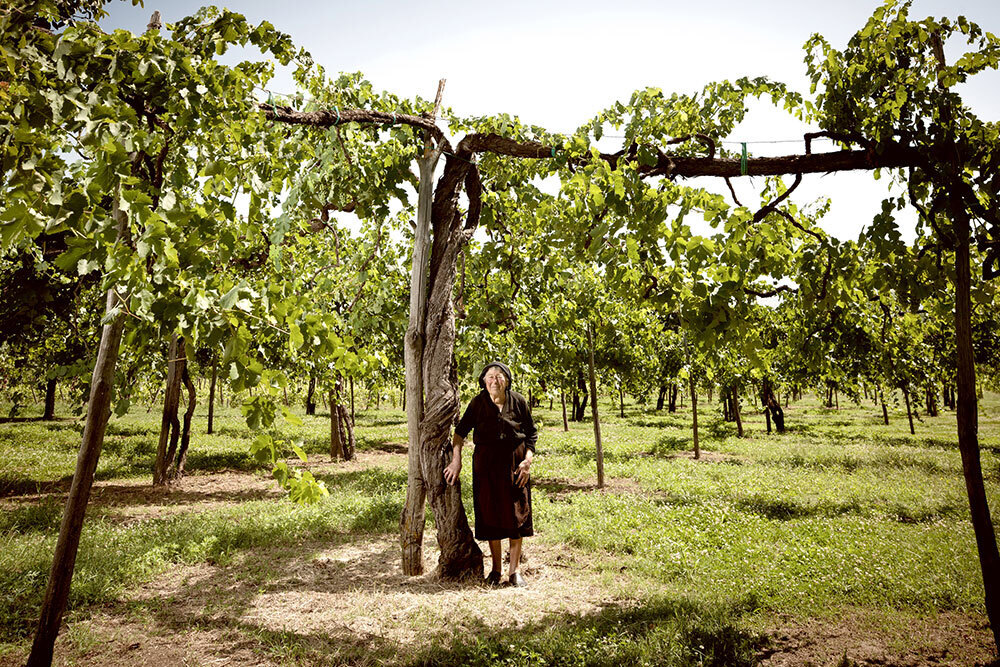
That’s not the only ancient thing aging in reverse in Italy. There’s budding interest in re-creating small batches of natural and sustainable wine from bygone eras, reports Julia Eskins. (Pictured above, a vineyard and winery doing that in the mountains of Irpinia.) Some winemakers are studying vineyards buried under the ash of Mount Vesuvius while others are submerging grapes in the sea to spark a renaissance of millennia-old viticultural techniques.
“Few libations have been shrouded in mystery quite like marine wines,” she writes. “Despite their popularity in Ancient Rome, as documented by historian Pliny the Elder, winemakers in Chios kept the method under lock and key. Their secret was submerging the grapes in saltwater, a process that naturally removes the waxy white surface bloom and allows the fruit to dry quickly in the sun. This preserves more aromas, creating a robust taste unlike anything else.”
|
|
|
|